
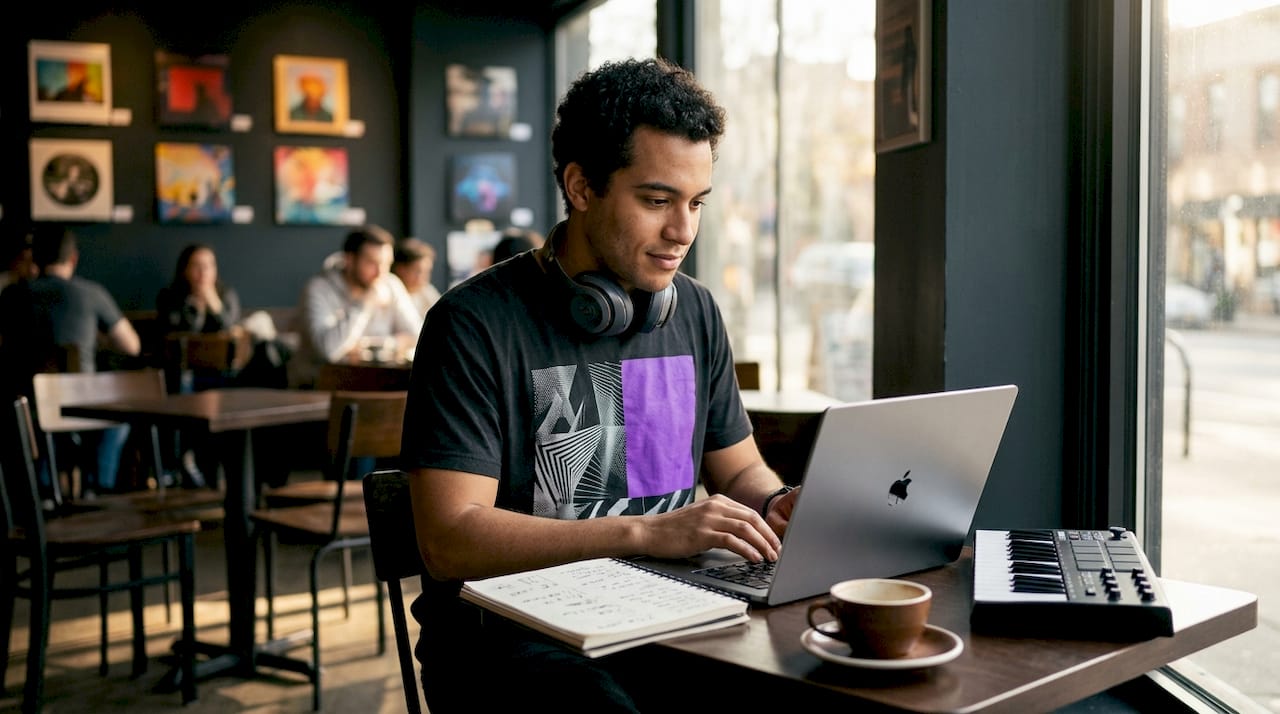
That $10 album you almost bought but skipped in favor of hitting play on a streaming service? For an independent artist, that decision is the difference between paying rent and going broke. A single $10 purchase equals the revenue an artist would earn from thousands of streams at the standard rate of $0.003 to $0.005 per play. Most fans have no idea their buying habits carry that kind of weight. This guide breaks down exactly where your money goes, why direct purchases change lives, and how to make every dollar you spend on music count as much as possible.
Table of Contents
- How much do artists really earn? Direct sales vs. streaming
- Why direct purchases matter most for independent artists
- The streaming paradox: Discovery vs. sustainability
- How to maximize your impact: Best ways to buy music that supports artists
- The uncomfortable truth: Why your support means more than you think
- Take your support to the next level
- Frequently asked questions
Key Takeaways
| Point | Details |
|---|---|
| Direct purchases pay more | Buying music directly can deliver up to 90% of your payment to artists, vastly more than streaming. |
| Independents benefit most | Independent musicians get paid fastest and most fully from direct sales, funding their creative work. |
| Streaming helps discovery | Streaming introduces fans to artists but rarely sustains them financially without direct support. |
| Multiplying your impact | Using Bandcamp, artist sites, and Bandcamp Fridays makes your support count the most. |
How much do artists really earn? Direct sales vs. streaming
Let's get into the numbers, because the gap between streaming and direct sales is bigger than most people realize.
When you stream a song, the platform collects subscription fees and ad revenue, pools it all together, and distributes it based on each artist's share of total streams. That process means your favorite indie artist is competing against every other artist on the platform for a slice of a shared pie. The pro-rata streaming pool also passes through labels and distributors who typically take 10 to 20 percent or more before the artist ever sees a cent.
Here's what that looks like in practice:
| Revenue source | Artist earnings per unit | Streams/sales needed to earn $10 |
|---|---|---|
| Streaming (major platform) | $0.003 to $0.005 per stream | 2,000 to 3,333 streams |
| iTunes/digital download | ~70% of sale price | ~1.4 sales |
| Direct platform sale | 80 to 90% of sale price | ~1.1 to 1.25 sales |
| Direct platform (fee waiver day) | 100% of sale price | 1 sale |
The math is stark. An artist needs roughly 2,000 to 3,000 streams to match what a single $10 direct purchase delivers. For an independent artist releasing music without a major label's marketing budget, that difference is enormous.
Key reasons streaming revenue stays low for indie artists:
- Shared revenue pools mean your streams don't go directly to the artist you played
- Distributor and aggregator fees shave off another slice before the artist gets paid
- Label recoupment means signed artists often see nothing until advances are paid back
- Payment delays mean artists wait months to receive streaming earnings
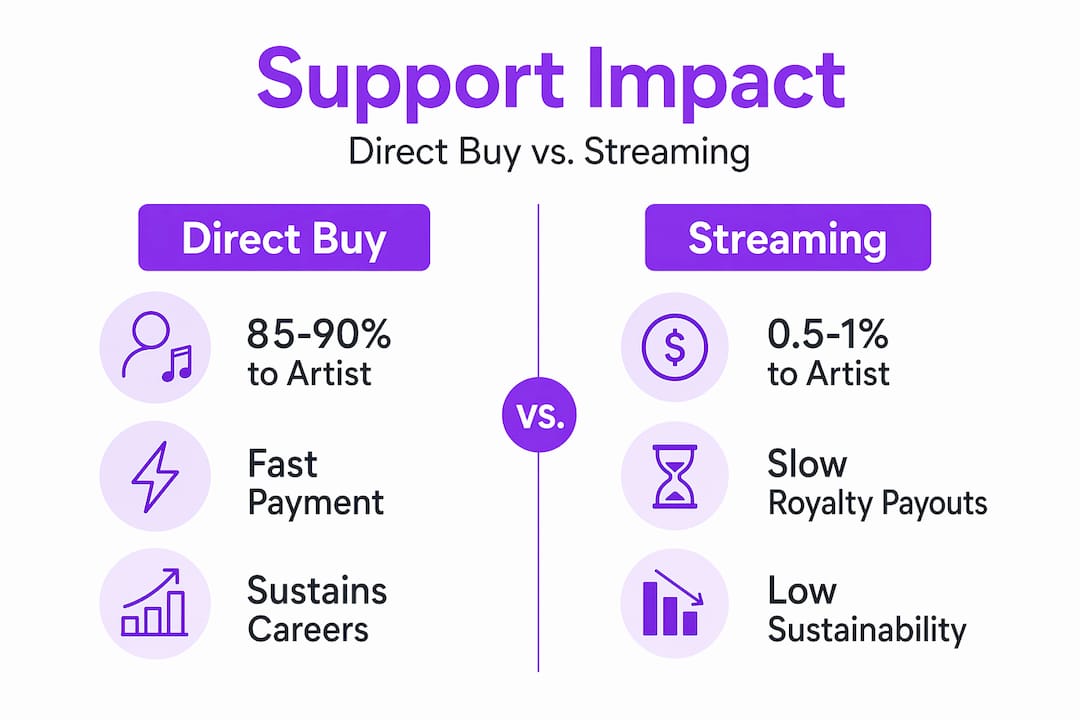
Buying music directly provides artists with up to 80 to 90% of the purchase price after platform fees, compared to fractions of a cent per stream. That's not a small improvement. That's a fundamentally different economic reality for the artist.
Statistic to know: At a rate of $0.004 per stream, an artist needs 2,500 streams to earn $10. A single direct album sale at $10 delivers the same amount in one transaction.
Why direct purchases matter most for independent artists
Now that you understand the numbers, let's explore why direct support is especially powerful for indie musicians.
Independent artists operate without the financial cushion that major label deals provide. There's no advance to cover studio time, no marketing department to fund promotion, and no team handling distribution logistics. Every dollar earned goes straight back into the craft. That's why the speed and size of direct purchase revenue matters so much.
When a fan buys an album directly, the artist typically receives payment within days, sometimes hours. Streaming royalties, by contrast, can take three to six months to arrive after the music is played. For an artist trying to book studio time, fund a tour, or simply cover living expenses while creating, that timing difference is critical.
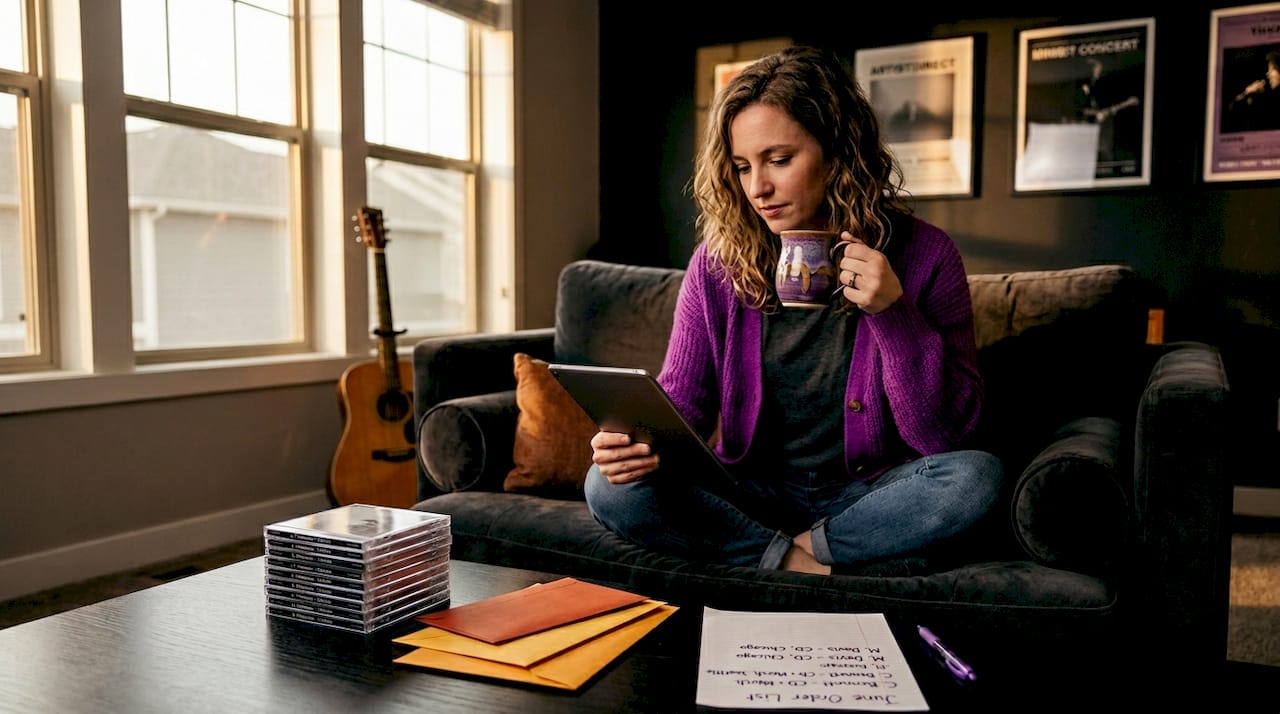
On platforms like Bandcamp, artists receive 85 to 90% of digital sales revenue, with the platform fee dropping from 15% to 10% after an artist reaches $5,000 in lifetime sales. That's a meaningful structure that rewards growing artists. And critically, artists retain full ownership of customer data and direct fan relationships, which streaming platforms never provide.
Here's a comparison of how signed versus independent artists experience direct sales:
| Artist type | Direct sale benefit | Streaming benefit |
|---|---|---|
| Independent (owns masters) | Immediate, full revenue share | Slow, heavily diluted |
| Signed (label advance) | Revenue goes to recoup advance first | Delayed, shared with label |
| Independent (no advance) | Immediate cash flow for next project | Months of waiting, cents earned |
The sustainability of independent careers depends on direct buying because it provides immediate, substantial cash flow. Streaming's slow drip and label recoupment delays simply can't fuel the pace at which indie artists need to operate.
Direct purchases also give artists something streaming never will: a direct relationship with their fans. When you buy music through a platform that shares customer data with artists, the musician can reach out, offer early access to new releases, invite you to exclusive shows, and build a community around their work. That fan-artist connection is a long-term asset that no streaming algorithm can replicate.
Pro Tip: If you want to go beyond just buying music, leaving a review or sharing the purchase on social media multiplies the impact. Artists benefit from both the income and the organic word-of-mouth that comes with it.
"The most powerful thing a fan can do is buy directly. It's not just about the money. It's about sending a signal that this artist's work has real value." — Common sentiment among independent musicians navigating the streaming economy.
The streaming paradox: Discovery vs. sustainability
Understanding the high impact of buying, it's helpful to see where streaming still fits and why both approaches matter.
Streaming is genuinely good at one thing: getting music in front of new ears. Playlist placements, algorithm-driven recommendations, and radio-style listening all help unfamiliar listeners discover artists they'd never find otherwise. That discovery function is real and valuable. The problem is when fans stop there and assume streaming alone is enough to support the artists they love.
Industry experts who study this space consistently recommend a hybrid approach. The logic goes like this:
- Stream to discover. Use streaming platforms to find new artists, explore genres, and stay current with releases.
- Follow and engage. Add artists to your library, follow their profiles, and share their music to help the algorithm surface them to more listeners.
- Buy to sustain. Once you know you love an artist's work, buy the album, the single, or the merch. That's where real financial support kicks in.
- Tip when you can. Many direct platforms allow tipping, which lets you contribute even when there's nothing new to buy.
- Attend live shows. Ticket and merch sales at shows are among the highest-revenue moments for indie artists.
The streaming vs. buying distinction is clear: streaming excels for discovery and volume, but buying and merch are essential for monetization. Experts recommend streaming to find artists, then buying to sustain them.
Think of it this way. Streaming is the window display. Buying is walking through the door and actually supporting the business. Both matter, but they serve completely different functions. A fan who only streams is like a customer who admires a shop every day but never buys anything. The shop can't survive on admiration alone.
The fans who understand this dual role become the most powerful supporters in any artist's community. They spread awareness through streaming and social sharing, then convert that enthusiasm into real income through direct purchases. That combination is what allows independent artists to keep making music year after year.
How to maximize your impact: Best ways to buy music that supports artists
Ready to put this knowledge into action? Here are the most effective ways to support the musicians you love.
Not all purchases are created equal. Where and how you buy music determines how much actually reaches the artist. Here's what you need to know to make the most of every dollar.
Best platforms for direct music purchases:
- Direct artist websites and platforms: The highest possible revenue share for artists, often 90% or more
- Bandcamp: Artists receive 85 to 90% of sales, and one $10 album sale equals the revenue from 2,000 to 3,000 Spotify streams
- iTunes/Apple digital downloads: Artists receive approximately 70% after distributor fees, far superior to streaming but below direct platforms
- Physical merch (vinyl, CDs, shirts): Often sold at live shows or through artist stores with strong margins for the artist
- Tipping features: Available on several direct platforms, letting fans contribute even outside of a purchase
What to avoid:
- Buying from third-party resellers who don't pass revenue to artists
- Using gray-market download sites that generate zero artist income
- Assuming that playlist adds or social shares replace financial support
Bandcamp Fridays deserve special mention. On these designated days, Bandcamp waives its platform fee entirely, meaning 100% of your purchase goes directly to the artist. No cut, no deduction, just the full amount landing in the artist's account. If you're planning to buy music anyway, timing your purchase to a Bandcamp Friday is one of the simplest ways to maximize your impact.
Pro Tip: Set a calendar reminder for Bandcamp Fridays each month. Batch your music purchases for that day and every dollar you spend goes entirely to the artists you're supporting.
Physical media is also worth considering. Buying vinyl or a CD might feel old-fashioned, but the margins for artists on physical sales, especially at live shows, are often higher than digital downloads. Plus, you get something tangible that connects you to the music in a way a streaming playlist never will.
The uncomfortable truth: Why your support means more than you think
Most fans genuinely believe they're supporting their favorite artists by streaming their music regularly. That belief is understandable, but it's largely a myth that the streaming industry has benefited from not correcting.
Here's the reality. The music industry still routes the majority of revenue through intermediaries. Labels, distributors, aggregators, and platforms all take their share before money reaches the artist. Signed artists see even less direct benefit from sales because label contracts require advances to be recouped first, meaning an artist might sell thousands of albums and still owe the label money. True direct support shines brightest for independent artists who own their masters and control their distribution.
When you buy directly from an independent artist, you're not just making a transaction. You're voting with your dollars for a music ecosystem that doesn't depend on corporate gatekeepers. Every direct purchase is a small act of redistribution, moving money away from platforms and toward the people who actually created the work.
Fans are the real gatekeepers of artist success. Not labels. Not algorithms. You. The decision of where your music budget goes determines which artists can afford to keep creating and which ones have to walk away from music because it stopped being financially viable. That's a lot of power, and most fans don't realize they have it.
Supporting artists directly also creates a healthier music ecosystem overall. When artists can fund their own work, they maintain creative control. They don't need to chase trends or compromise their sound to satisfy label executives. The music you get is the music the artist actually wanted to make. That's better for everyone.
The uncomfortable truth is that the gap between what fans think they're doing and what actually helps is wide. Streaming is easy and feels supportive. But buying, even occasionally, does more for an artist's livelihood than years of loyal streaming. You don't have to choose one or the other. But knowing the difference changes everything about how you engage with the music you love.
Take your support to the next level
You now know that a single purchase can outperform thousands of streams in terms of what actually reaches an artist. That knowledge is worth acting on.
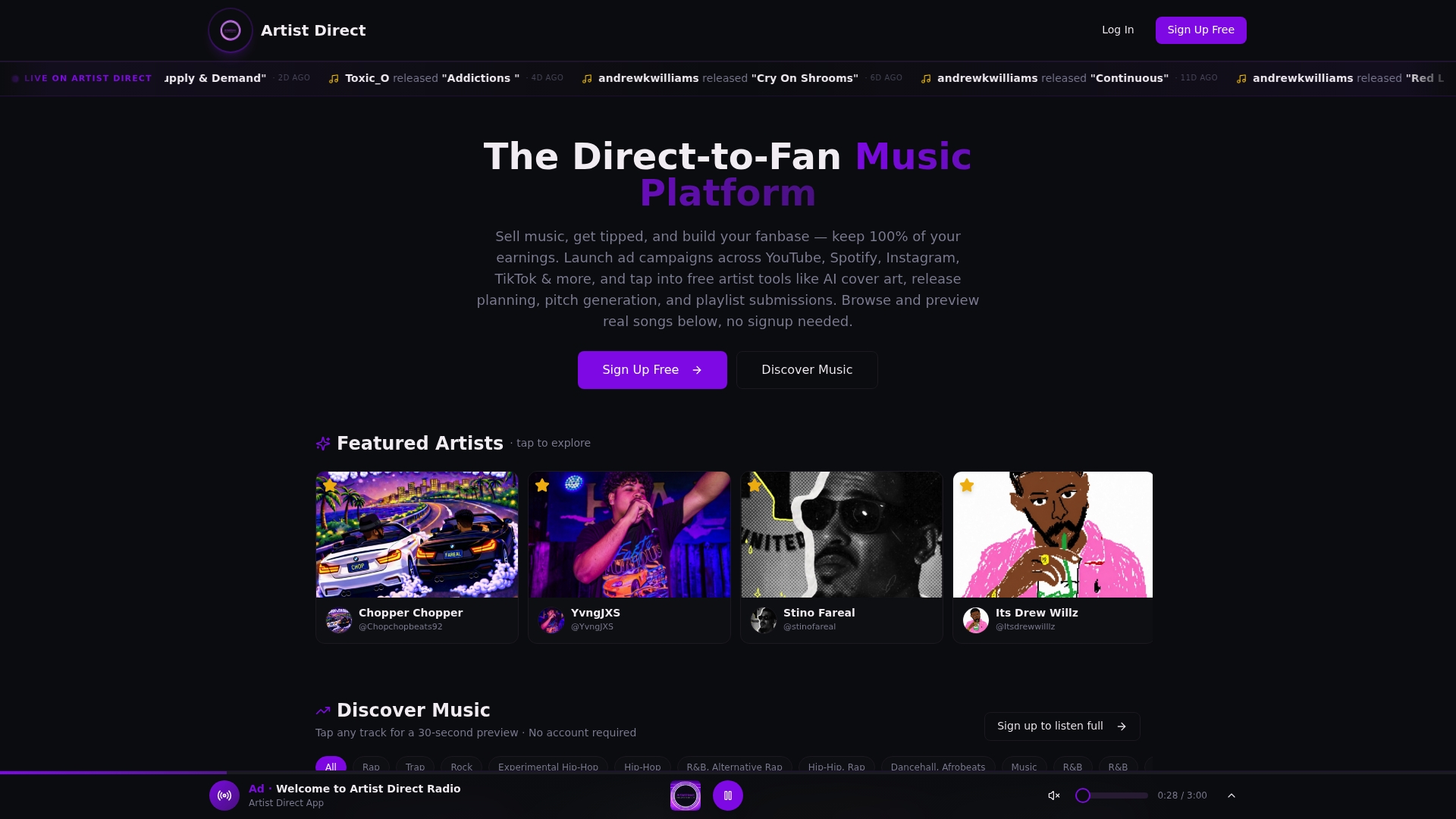
The Artist Direct platform was built exactly for moments like this one. It's a place where independent musicians sell their music directly to fans, set their own prices, accept tips, and keep 100% of their earnings. No label taking a cut. No distributor shaving off a percentage. No algorithm deciding who gets heard. When you buy music through Artist Direct, the money goes where it belongs: straight to the artist who made it. Explore new music, support the artists you already love, and know that every dollar you spend is doing real, meaningful work.
Frequently asked questions
How much of my money actually goes to the artist when I buy music?
On platforms like Bandcamp, artists receive 85 to 90% of what you pay, far more than from streaming, where rates average fractions of a cent per play.
Does buying music on iTunes or Apple Music support artists more than streaming?
Yes. iTunes pays artists around 70% of the purchase price after distributor fees, which is still dramatically more than the equivalent number of streams would generate.
Why doesn't streaming pay artists as well as direct sales?
Streaming revenue is divided across all artists based on total platform plays, and per-stream rates stay low because the pool is shared and intermediaries take significant cuts before artists are paid.
What are Bandcamp Fridays and do they really make a difference?
On Bandcamp Fridays, the platform waives its fee entirely, so 100% of your purchase goes directly to the artist with no deductions. Timing your purchases to these days is one of the easiest ways to maximize your financial impact.